
"16th Century"
200 article(s) found

Where on earth does coffee come from?
Around 900 AD, when a shepherd in the Cafa region of Ethiopia was grazing in the mountains, he found that the sheep were competing for a kind of red berry. After eating, the sheep were jubilant, and the shepherd was worried all night that his sheep had eaten some harmful food. Who knew the sheep were safe and sound the next day. This unexpected discovery prompted the shepherd to collect this wild fruit and boil juice to quench his thirst.
Fine Coffee Science explains the spread History of Coffee in detail (2)
The first European description of coffee in 1573 was through German doctors staying in Syria. In the second half of the 16th century, the European people who traveled on the east coast of the land gradually spread. The British East India Company was established in 1660 and the East India Company was established in the Netherlands in 1602. The East India Company refers to the trade between Asia and Europe, South Asia and the East in the 17th and 19th centuries.

Where on earth does coffee come from?
Around 900 AD, when a shepherd in the Cafa region of Ethiopia was grazing in the mountains, he found that the sheep were competing for a kind of red berry. After eating, the sheep were jubilant, and the shepherd was worried all night that his sheep had eaten some harmful food. Who knew the sheep were safe and sound the next day. This unexpected discovery prompted the shepherd to collect this wild fruit and boil juice to quench his thirst.

The History of the spread of Fine Coffee Culture and Common sense Coffee (2)
The first European description of coffee in 1573 was through German doctors staying in Syria. In the second half of the 16th century, the European people who traveled on the east coast of the land gradually spread. The British East India Company was established in 1660 and the East India Company was established in the Netherlands in 1602. The East India Company refers to the trade between Asia and Europe, South Asia and the East in the 17th and 19th centuries.

The History of the spread of Fine Coffee Culture and Common sense Coffee (2)
The first European description of coffee in 1573 was through German doctors staying in Syria. In the second half of the 16th century, the European people who traveled on the east coast of the land gradually spread. The British East India Company was established in 1660 and the East India Company was established in the Netherlands in 1602. The East India Company refers to the trade between Asia and Europe, South Asia and the East in the 17th and 19th centuries.

Development and change of Coffee: from Medicinal use to drinking
Coffee for drinking is said to have begun at the beginning of the eleventh century, and the record can be seen in ancient Arab documents. Before that, coffee beans were dried and boiled in the Arab region and then drank as stomach medicine, but later learned that coffee also had a refreshing effect, coupled with the strict Muslim commandments that forbade believers from drinking, and believers used coffee juice from roasting as a substitute for wine.

Introduction to the varieties of Arabica Coffee produced by the method of Manor treatment
The Grinding scale of Arabica Coffee Variety introduction of Arabica Coffee beans is synonymous with Arabica. Arabica Enterprise claim Open Classification: coffee plant biology Natural Rubiaceae Arabica, (scientific name Coffea arabica, English Coffee Arabica), can also be called Arabica coffee, is Ethiopia (Ethiopia)

History of the spread of Coffee Coffee was introduced into China
1. Coffee was introduced into Europe in the 16th century, and coffee attracted the attention of European countries in the name of Arabic wine. In the middle of the 17th century, coffee became popular in Europe. 2. When coffee was introduced into Asia in 1600, Baba Budan, a Muslim, successfully smuggled seven seeds on his belly and planted them for trial in the mountains of Mysore in southern India without large-scale cultivation. sixteen

Coffee history and culture common sense where does coffee come from?
Around 900 AD, when a shepherd in the Cafa region of Ethiopia was grazing in the mountains, he found that the sheep were competing for a kind of red berry. After eating, the sheep were jubilant, and the shepherd was worried all night that his sheep had eaten some harmful food. Who knew the sheep were safe and sound the next day. This unexpected discovery prompted the shepherd to collect this wild fruit and boil juice to quench his thirst.

What does "Arabica" mean in daily life? introduction to the characteristics of Arabica Coffee
Professional coffee knowledge exchange more information about coffee beans Please follow the coffee workshop (Wechat official account cafe_style) Arabica coffee beans are synonymous with Arabica. Arabica enterprise claim open classification: coffee plant biology natural Rubiaceae Arabica, (scientific name Coffea arabica, English Coffee Arabica), can also be called Arabica coffee, is Yesso

How to choose coffee? how many kinds of coffee?
Coffee for drinking is said to have begun at the beginning of the eleventh century, and the record can be seen in ancient Arab documents. Before that, coffee beans were dried and boiled in the Arab region and then drank as stomach medicine, but later learned that coffee also had a refreshing effect, coupled with the strict Muslim commandments that forbade believers from drinking, and believers used coffee juice from roasting as a substitute.

Napoleon and St. Helena Coffee
France outstanding military home Napoleon can be called the most romantic, sad character in the history of coffee, his brandy private coffee, portable cylindrical Turkish grinder, are all good talk. Although he was a mid-18th century to early 19th century figure, but God as early as the early 16th century began to find him the most romantic, sad ancient land-St. Helena Island. (425 square meters)
Coffee history and culture have been controversial and have been considered important factors affecting children's learning.
Now we all know coffee is a good thing, but people used to think differently. Let's look back at centuries of endless debate over coffee. 16th century: Coffee can make people excited Legend has it that a shepherd named Kaldi in Ethiopia discovered that his sheep suddenly became excited after eating an oily green leaf and red berries. He tasted it himself.
Introduction to Napoleon and St. Helena Coffee
Napoleon, an outstanding French military strategist, can be called the most romantic and sad figure in the history of coffee. His brandy private coffee and the cylindrical Turkish bean grinder he carries with him are all rumors. Although he was a figure from the middle of the 18th century to the early 19th century, God began to find the most romantic and sad place for him at the beginning of the 16th century-St. Helena. (area 425 square

The origin of coffee beans
Legend has it that Shek, the chief expelled by his people for crime, was deported from the mountains of Yemen in 1258. Omar, who was exiled to the remote city of Vasaba (in Arabia), when he was walking exhausted on the mountain, he found the birds on the branches making a very sweet cry after pecking at the fruit of the tree. So he boiled the fruit with water, only to send out a rich temptation.

What are the main nutrients of coffee beans?
Coffee was planted in large numbers by Arabs in the 12th and 3rd centuries, and the world's first coffee shop was born in Damascus in the Middle East in the 16th century (1530). In just a few years, from the ancient Constantinople to the Caucasus, from the Persian Gulf to Budapest, and more than 200 cities throughout the empire had different numbers of coffee shops, and those cities were connected through the sand.

How to choose coffee beans and what are defective beans
First, the story of the shepherd legend around the tenth century AD, on the Ethiopian plateau of Africa, there was a shepherd Karl. One day he saw the goats suddenly looking very excited and excited. He thought it was strange, and then after careful observation, he found that the sheep were excited after eating some kind of red fruit. Carl tasted some curiously and found that he also felt after eating it.

Flavor description of Burundian Coffee introduction to the manor of the region where the varieties are produced
Flavor description of Burundian Coffee Variety of Burundian Coffee production area treatment Manor introduces Burundi, formerly known as Urundi, which formed a feudal kingdom in the 16th century. Since the middle of the 19th century, the forces of Britain, Germany and Belgium invaded. The long-ruled monarchy, which was conquered by Germany in 1890, listed it as the territory of German East Africa and fell under the control of the Belgian army in 1916.

The History and spread of Coffee Coffee Tree Arab Fine Coffee Beverage
The coffee tree species (arabica species) originated from the Abyssinia Plateau in Africa, which is now the Ethiopian Plateau. Formerly famous for its gold mines, Abyssinia was occupied by Yemen in the Middle East in the 6th century, so the cultivation of coffee spread from Yemen to other parts of the tropics. Coffee was drunk as a drink thanks to the Arab hands, and coffee was cultivated in Yemen in the 15th and 16th centuries.
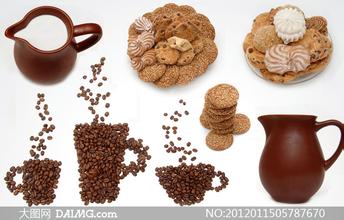
What are the characteristics of coffee beans in the producing area of coffee beans
The origin of coffee the main producing area of coffee is in Africa. The story of the shepherd legends around the tenth century AD, on the Ethiopian plateau of Africa, there was a shepherd Karl. One day he suddenly looked very excited and excited when he saw the goat. He thought it was strange, and then after careful observation, he found that the sheep were excited after eating some kind of red fruit. Carl.